Shabbat Is a Weekly Sanctuary in Time

One of the most extraordinary aspects of Shabbat is that it creates a sanctuary not in space, but in time. While most traditions focus on sacred places, Shabbat sanctifies a specific moment each week.
As the sun sets on Friday evening, the outside world fades into the background. Work is paused. Emails go unanswered. The rush of the week gives way to calm. For 25 hours, time itself feels different—slower, softer, more intentional.
This concept is revolutionary even by modern standards. Long before mindfulness apps and digital detoxes existed, Shabbat offered a built-in rhythm of rest. It teaches that human beings are not defined solely by what they produce, but by their ability to pause, reflect, and appreciate life as it is.
It Celebrates Rest as Something Sacred

In many cultures, rest is treated as a reward—something earned after exhaustion. Shabbat turns that idea upside down. Rest is not a luxury; it is sacred.
According to Jewish tradition, even God rested on the seventh day of creation. By observing Shabbat, people imitate that divine pause, acknowledging that the world can continue without constant human control.
This rest is not merely physical. It is mental, emotional, and spiritual. Shabbat allows space to breathe, to think deeply, and to experience peace without guilt. In a society that glorifies busyness, Shabbat quietly insists that rest itself has value—and beauty.
Shabbat Strengthens Family and Community Bonds
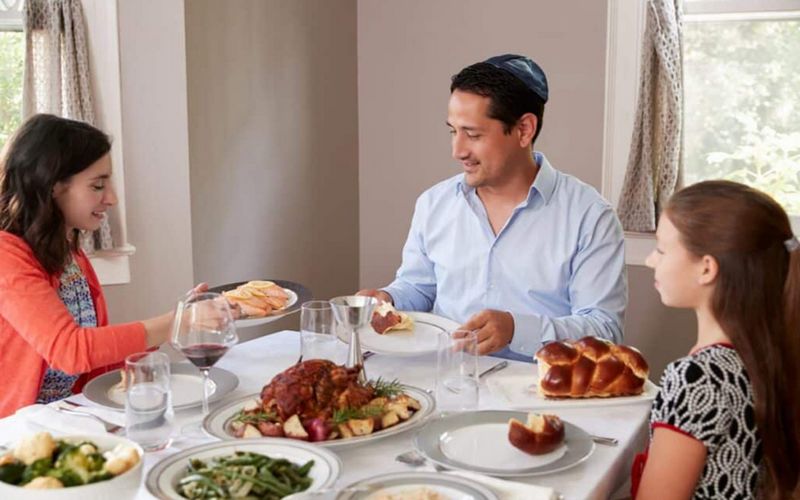
At the heart of Shabbat is togetherness. Families gather around the table, often dressed in their best clothes, to share meals that are unhurried and meaningful. Candles are lit, wine is blessed, and challah is shared—rituals that feel intimate and deeply symbolic.
What makes Shabbat especially beautiful is the quality of attention it encourages. Without phones, work distractions, or external pressures, conversations become richer. Stories are told. Songs are sung. Silence is allowed to exist comfortably.
Beyond the family, Shabbat extends into the community. Synagogues become gathering places, neighbors visit one another, and hospitality becomes central. It is a reminder that human connection is not optional—it is essential.
The Rituals Are Simple Yet Profound

Shabbat rituals are remarkably accessible, yet layered with meaning. Lighting candles, reciting blessings, sharing bread and wine—these actions are not extravagant, but they are deeply intentional.
Each ritual serves as a transition from ordinary time into sacred time. The soft glow of candles signals peace. The blessings acknowledge gratitude. The melodies passed down through generations carry memory and emotion.
What makes these rituals beautiful is their consistency. They remain largely unchanged across centuries and continents, connecting Jews today with ancestors who performed the same actions thousands of years ago. Few traditions offer such a powerful sense of continuity.
Shabbat Encourages Presence Over Possession

Shabbat gently shifts focus away from what we own or achieve, toward who we are and how we live. By refraining from creative labor and commerce, Shabbat removes the constant pressure to acquire, build, or improve.
Instead, it celebrates what already exists: relationships, nature, conversation, reflection. Meals are enjoyed not because they are elaborate, but because they are shared. Walks are taken not to reach a destination, but to appreciate the journey.
This weekly reminder—that happiness is found in presence rather than possession—is one of Shabbat’s most timeless and universal lessons.
It Offers Spiritual Depth Without Harshness

Unlike traditions centered on fasting or deprivation, Shabbat is characterized by joy, beauty, and pleasure. Good food, wine, singing, and rest are not just permitted—they are encouraged.
Shabbat acknowledges that spirituality does not require suffering. On the contrary, delight itself can be sacred. Enjoying a peaceful meal, a meaningful prayer, or an afternoon nap becomes an act of spiritual fulfillment.
This balance—between discipline and delight—is rare. Shabbat offers structure without rigidity, holiness without fear, and devotion without severity. It invites people in rather than pushing them away.
Shabbat Feels More Relevant Than Ever

Perhaps the most compelling reason Shabbat is so beautiful is its modern relevance. In an age of burnout, anxiety, and constant connectivity, Shabbat feels almost prophetic.
It teaches boundaries in a world without them. It insists on rest in a culture addicted to productivity. It restores attention in a time of endless distraction.
Even those who observe Shabbat in a non-traditional way often find its principles transformative. The idea of disconnecting regularly, sharing intentional meals, and honoring rest is now widely embraced—yet Shabbat has embodied these values for millennia.
Shabbat proves that ancient traditions can offer powerful solutions to modern problems.
A Tradition That Speaks to the Soul
Shabbat is more than a religious observance. It is a philosophy of life, a weekly reset, and a quiet act of resistance against chaos. Its beauty lies not in grandeur, but in intention. Not in spectacle, but in stillness.
Through Shabbat, Judaism offers the world a radical idea: that stopping is sacred, that rest is meaningful, and that time—when treated with care—can become holy.
In every candle lit, every shared loaf of challah, and every moment of intentional peace, Shabbat continues to whisper an enduring truth: life is not meant to be rushed.
And that may be its greatest beauty of all.