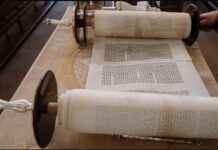
Rosh Hashanah – Jewish New Year

Rosh Hashanah, meaning “Head of the Year,” marks the Jewish New Year. It usually falls in September or October and begins the Ten Days of Repentance leading up to Yom Kippur.
Key Traditions:
-
Blowing the shofar: A ram’s horn is sounded in synagogues to awaken spiritual reflection.
-
Tashlich: Symbolic casting off of sins into flowing water.
-
Festive meals: Apples dipped in honey, challah bread, and pomegranates symbolize a sweet and fruitful year.
Rosh Hashanah emphasizes introspection, prayer, and personal growth as participants reflect on the past year and make resolutions for the new one.
Yom Kippur – Day of Atonement

Considered the holiest day in Judaism, Yom Kippur is a day of fasting, prayer, and repentance. It falls ten days after Rosh Hashanah and concludes the High Holy Days.
Key Traditions:
-
24-hour fast: Observant Jews refrain from eating or drinking.
-
Intensive prayer: Synagogue services include confessions, hymns, and the recitation of Kol Nidre.
-
Seeking forgiveness: Both from God and fellow humans for wrongdoings.
Yom Kippur is about spiritual renewal, forgiveness, and repairing relationships, emphasizing moral reflection over celebration.
Sukkot – Feast of Tabernacles

Sukkot, celebrated five days after Yom Kippur, is a week-long harvest festival. It commemorates the Israelites’ 40-year journey in the desert after leaving Egypt.
Key Traditions:
-
Building a sukkah: A temporary hut decorated with fruits and foliage, where families eat and sometimes sleep.
-
Four Species: The etrog (citron), lulav (palm frond), hadassim (myrtle), and aravot (willow) are waved in ceremonies.
-
Joyful gatherings: Emphasis on hospitality and gratitude for abundance.
Sukkot combines historical remembrance with celebration of nature, harvest, and communal joy.
Simchat Torah – Rejoicing of the Torah

Simchat Torah marks the completion and restart of the annual Torah reading cycle. It immediately follows Sukkot in the Jewish calendar.
Key Traditions:
-
Dancing with Torah scrolls: Congregants dance and sing in synagogues holding the scrolls.
-
Torah readings: The final portion of the Torah is read, followed by the first portion of Genesis.
-
Festive meals and community celebrations: Joy and unity are central themes.
This holiday emphasizes the enduring relevance of Torah study and the joy of learning and continuity.
Hanukkah – Festival of Lights

Hanukkah, also known as the Festival of Lights, commemorates the rededication of the Second Temple in Jerusalem after the Maccabean revolt (2nd century BCE). It usually falls in December.
Key Traditions:
-
Lighting the menorah: An eight-branched candelabrum is lit over eight nights, adding one candle each night.
-
Dreidel games: A spinning top game that also teaches Hebrew letters.
-
Traditional foods: Fried foods like latkes (potato pancakes) and sufganiyot (jelly donuts) symbolize the miracle of the oil lasting eight days.
Hanukkah celebrates faith, perseverance, and miracles, offering joy and light during winter.
Purim – Celebration of Deliverance

Purim commemorates the story of Queen Esther saving the Jewish people from Haman in ancient Persia, as told in the Book of Esther. It usually falls in February or March.
Key Traditions:
-
Reading the Megillah: The Scroll of Esther is read aloud in synagogues.
-
Costumes and masquerades: Participants dress up and celebrate with joy and humor.
-
Giving gifts and charity: Mishloach manot (food gifts) and matanot la’evyonim (charity to the poor) are essential.
Purim is a lively holiday celebrating courage, identity, and survival with feasting, laughter, and community.
Passover (Pesach) – Commemorating the Exodus

Passover commemorates the liberation of the Israelites from slavery in Egypt, one of the central narratives of Jewish identity. It usually falls in March or April.
Key Traditions:
-
Seder meals: Families gather to retell the Exodus story, eat symbolic foods like matzah (unleavened bread), and participate in rituals.
-
Avoiding chametz: Leavened bread is removed from homes for eight days to symbolize the haste of departure from Egypt.
-
Haggadah readings: The story of freedom and redemption is recited and reflected upon.
Passover is both a historical remembrance and a celebration of freedom, resilience, and faith.
Shavuot – Festival of Weeks

Shavuot occurs seven weeks after Passover and commemorates the giving of the Torah at Mount Sinai. It usually falls in May or June.
Key Traditions:
-
All-night study sessions: Tikkun Leil Shavuot encourages learning Torah through the night.
-
Eating dairy foods: Cheesecakes and blintzes are traditional, symbolizing the “land flowing with milk and honey.”
-
Decorating synagogues with greenery: Flowers and plants symbolize Mount Sinai’s lush landscape.
Shavuot celebrates knowledge, spiritual growth, and the covenant between God and the Jewish people.
Tisha B’Av – Day of Mourning

Tisha B’Av is a solemn day remembering the destruction of the First and Second Temples in Jerusalem and other tragedies in Jewish history. It usually falls in July or August.
Key Traditions:
-
Fasting for 25 hours: Observers abstain from food and drink.
-
Reading the Book of Lamentations: Eicha recounts the destruction and sorrow.
-
Sitting on low stools or the floor: Symbolizing mourning and humility.
While somber, Tisha B’Av fosters reflection, historical awareness, and a sense of resilience.
Yom Ha’atzmaut – Israeli Independence Day

Yom Ha’atzmaut celebrates the establishment of the modern State of Israel in 1948. Unlike religious holidays, it is a national holiday with both secular and religious significance.
Key Traditions:
-
Fireworks and parades: Public celebrations are lively and joyful.
-
Community gatherings: Picnics, concerts, and dancing are common.
-
Prayers and ceremonies: Some also recognize the historical and spiritual significance through synagogue services.
Yom Ha’atzmaut symbolizes national identity, pride, and modern Jewish continuity.