Jerusalem’s Jewish Quarter is one of the most emotionally powerful and historically layered neighborhoods in the world. Nestled within the Old City’s ancient walls, this compact area holds more than three thousand years of Jewish history, faith, resilience, and daily life. Walking through its stone alleys is like stepping into a living timeline—where biblical landmarks stand beside modern homes, and prayer echoes across centuries.
Whether you are visiting Jerusalem for the first time or returning with deeper curiosity, the Jewish Quarter offers unforgettable sights that blend archaeology, spirituality, and culture. Here are the top 10 things to see in Jerusalem’s Jewish Quarter, each revealing a different chapter of the city’s extraordinary story.
1. The Western Wall (Kotel)
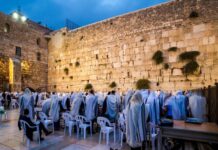
No visit to the Jewish Quarter is complete without standing before the Western Wall, Judaism’s holiest accessible site. This ancient limestone wall is the last remaining structure from the Second Temple complex destroyed by the Romans in 70 CE.
The atmosphere here is deeply moving. Visitors from around the world come to pray, reflect, and place handwritten notes between the stones. The plaza is divided into separate prayer areas for men and women, and it remains active day and night.

Beyond its religious significance, the Western Wall is a powerful symbol of continuity, survival, and hope—making it the emotional heart of the Jewish Quarter.
2. Western Wall Tunnels
Hidden beneath the surface of the Old City lies one of Jerusalem’s most fascinating experiences: the Western Wall Tunnels. This underground pathway runs alongside the full length of the ancient wall, revealing massive stones, Roman-era streets, and hidden chambers.
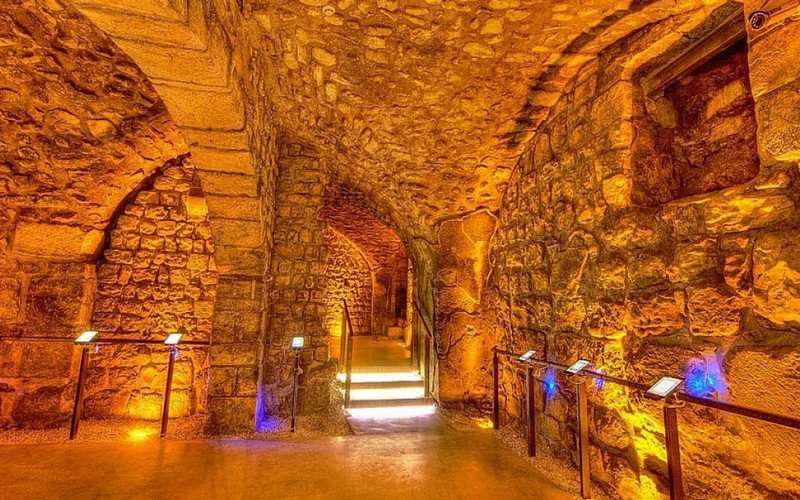
The tunnels offer a rare perspective on how Jerusalem was built, destroyed, and rebuilt over centuries. Guided tours provide historical context, explaining how engineers constructed enormous stones—some weighing hundreds of tons—without modern technology.
For history lovers, this is one of the most immersive archaeological experiences in the city.
3. Hurva Synagogue
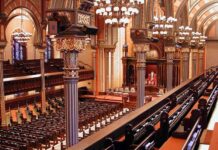
Towering over the Jewish Quarter skyline, the Hurva Synagogue is both a spiritual landmark and a symbol of renewal. Originally built in the early 18th century, it was destroyed multiple times—most recently in 1948—before being meticulously reconstructed and reopened in 2010.

Inside, the synagogue features a magnificent dome, elegant arches, and panoramic views from its rooftop. From above, visitors can see the Old City, the Temple Mount, and even the Mount of Olives.
The Hurva stands as a testament to the resilience of Jerusalem’s Jewish community across generations.
4. Cardo Maximus
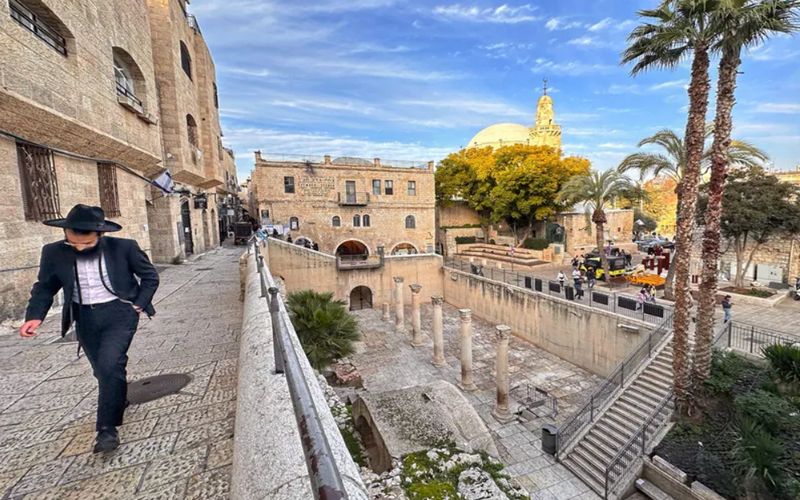
The Cardo was once Jerusalem’s main Roman street, dating back to the 6th century Byzantine period. Today, you can walk along its partially restored columns, imagining merchants, pilgrims, and citizens passing through nearly 1,500 years ago.
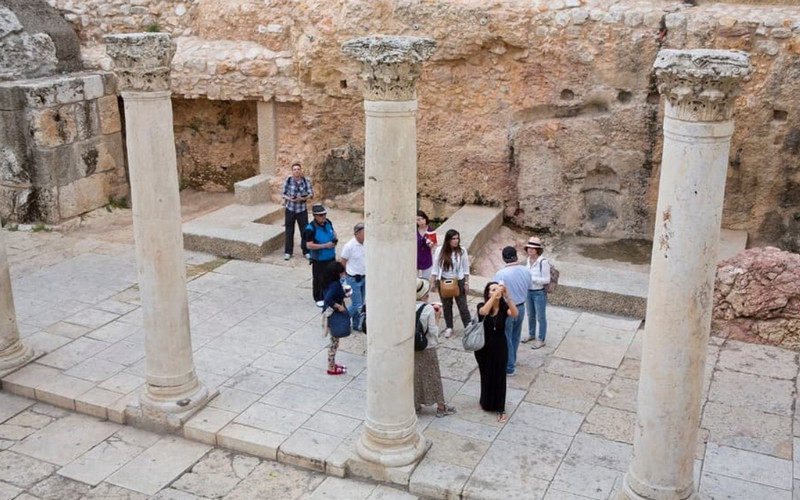
Modern shops and galleries now line sections of the Cardo, blending ancient architecture with contemporary life. This unique fusion makes it one of the best places to understand how Jerusalem layers its past and present seamlessly.
It is a must-see for anyone interested in archaeology, urban history, or ancient daily life.
5. Burnt House (Herodian Quarter Museum)
The Burnt House Museum offers a haunting glimpse into Jerusalem’s destruction during the Roman siege of 70 CE. This preserved home, once belonging to a wealthy priestly family, was discovered with charred remains, weapons, and everyday objects frozen in time.

A short audiovisual presentation explains the events leading to the fall of the Second Temple, making the tragedy deeply personal and tangible.
This site powerfully illustrates how history is not just written in texts—but embedded in stones, ashes, and broken walls.
6. Jewish Quarter Synagogue Cluster
Beyond famous synagogues, the Jewish Quarter is home to several historic Sephardic synagogues, including the Yohanan ben Zakai Synagogue, the Eliyahu HaNavi Synagogue, and the Istanbuli Synagogue.
These intimate prayer spaces date back centuries and reflect the traditions of Jewish communities from Spain, North Africa, and the Ottoman Empire. Their low ceilings, candlelit interiors, and ornate Torah arks create an atmosphere of deep reverence.
Visiting these synagogues offers insight into the diverse cultural roots that shaped Jerusalem’s Jewish life.
7. The Temple Institute
Located near the Western Wall, the Temple Institute is both a museum and research center dedicated to the ancient Jewish Temples. It displays meticulously crafted ritual vessels, priestly garments, and architectural models based on biblical descriptions.

The institute explores the history, theology, and symbolism of the Temple in Jewish tradition. Whether or not you share its religious vision, the craftsmanship and scholarship on display are remarkable.
This stop adds depth to understanding why Jerusalem holds such profound significance in Jewish belief.
8. Wohl Archaeological Museum (Herodian Mansions)
The Wohl Archaeological Museum showcases luxurious homes from the Second Temple period, once inhabited by Jerusalem’s elite. Visitors can explore beautifully preserved mikva’ot (ritual baths), mosaics, frescoes, and stone vessels.

These mansions reveal a sophisticated urban society with strong religious practices and refined aesthetics. Walking through these underground remains offers a striking contrast to the simplicity often associated with ancient life.
It is one of the best places to visualize how Jerusalem looked at the height of its ancient glory.
9. Jewish Quarter Streets and Alleys
Sometimes the most memorable experiences come from simply wandering. The Jewish Quarter’s narrow stone streets, archways, and quiet courtyards invite slow exploration.

You’ll encounter local families, yeshiva students, hidden viewpoints, and small memorials marking historical events. Street signs often include biblical verses or historical references, adding layers of meaning to each corner.
These peaceful walks offer a more intimate connection to Jerusalem—beyond major landmarks.
10. Archaeological Parks and Open Excavations
Scattered throughout the Jewish Quarter are open archaeological sites, including remnants of ancient walls, staircases, and fortifications from different periods—Israelite, Roman, Byzantine, and Islamic.

Notable areas near the Southern Wall and Davidson Archaeological Park showcase monumental stairways once used by pilgrims ascending to the Temple Mount.
These sites highlight Jerusalem as one of the most continuously inhabited cities on earth, where every step reveals another era beneath your feet.
Final Thoughts
The Jewish Quarter of Jerusalem is far more than a collection of historic sites—it is a living story of faith, endurance, and identity. Each synagogue, stone wall, and underground passage connects visitors to centuries of devotion and survival.
Whether you come as a pilgrim, historian, or curious traveler, exploring these top 10 things to see in Jerusalem’s Jewish Quarter will leave you with a deeper understanding of why this small area holds such immense global significance.
Jerusalem does not simply tell history—it invites you to walk through it.