Jewish culture spans thousands of years and encompasses a rich tapestry of traditions, rituals, and customs. While many people are familiar with widely practiced holidays like Hanukkah, Passover, and Yom Kippur, Jewish cultural heritage includes practices and customs that are less well-known but deeply meaningful. These traditions reflect values of community, family, spirituality, and ethical living. Here are the top 10 Jewish cultural heritage practices that might surprise you.
1. Tahara – The Ritual of Purification
One of the lesser-known practices in Jewish life is Tahara, the ritual washing and preparation of the deceased before burial. Conducted by the Chevra Kadisha (holy society), Tahara involves cleansing the body and dressing it in simple white shrouds.

This practice emphasizes respect for the deceased and the belief in the sanctity of the human body, reflecting the Jewish values of dignity, humility, and compassion even after death. While it may surprise those unfamiliar with Jewish customs, it is considered one of the most sacred mitzvot (commandments).
2. Tashlich – Casting Off Sins
During the High Holy Days, particularly on Rosh Hashanah, many Jewish communities observe Tashlich, a ritual where participants go to a body of water and symbolically cast off their sins by tossing bread crumbs into the water.
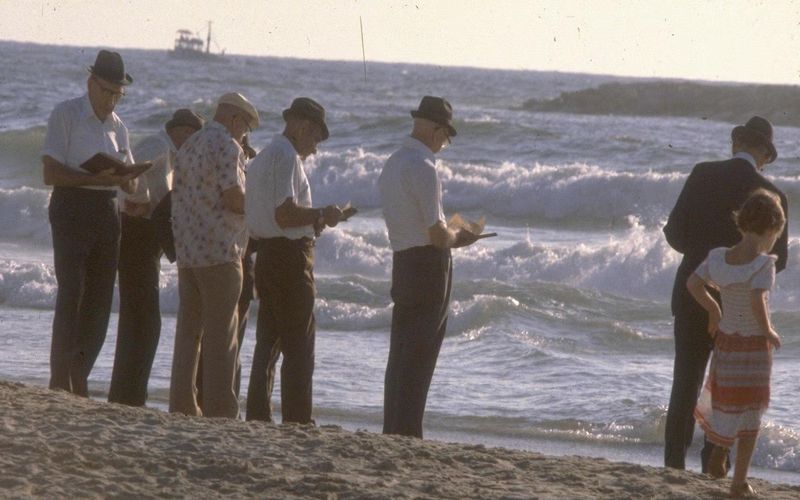
Tashlich is more than a symbolic act; it provides a tangible way for people to reflect on past actions, seek forgiveness, and begin the new year with spiritual renewal. It blends reflection, nature, and community, which makes it both spiritual and accessible.
3. Havdalah – Marking the End of Shabbat
While most people know about the Friday night Shabbat dinner, the Havdalah ceremony, which marks the conclusion of Shabbat, is often overlooked. Havdalah involves blessings over wine, fragrant spices, and a braided candle.
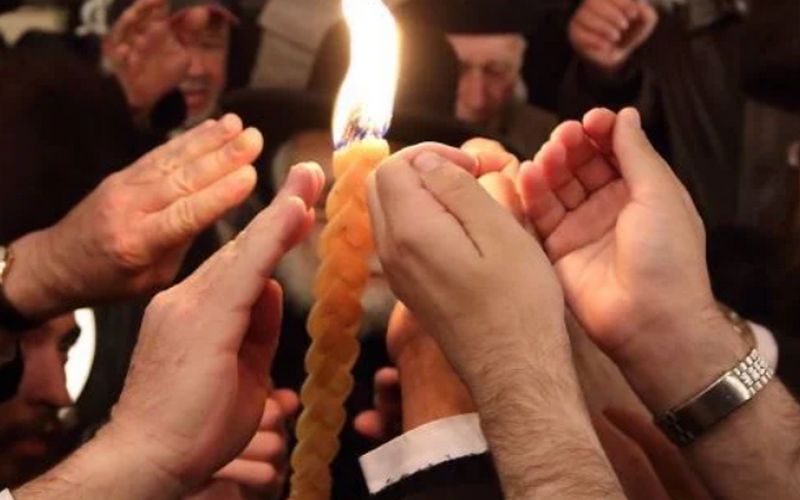
The ritual is designed to separate the sacred time of Shabbat from the ordinary workweek, symbolically bringing sweetness, light, and spiritual focus into the coming days. The use of spices is meant to comfort the senses as Shabbat departs, creating a sensory-rich experience.
4. Pidyon Haben – Redemption of the Firstborn
Pidyon Haben, or the redemption of the firstborn son, is a unique Jewish practice that occurs when a firstborn male reaches 30 days old. It involves giving a symbolic payment to a Kohen (descendant of the priestly lineage) in recognition of the child’s sanctity.
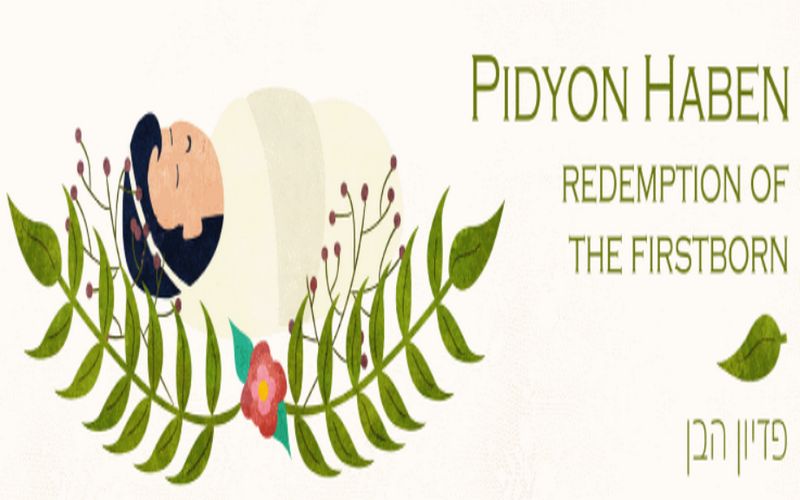
This ritual, rooted in biblical tradition, might surprise many because it reflects a blend of spiritual symbolism, historical continuity, and family celebration. The ceremony is often accompanied by a festive gathering, emphasizing the communal and celebratory nature of Jewish life.
5. Challah Braiding with Intentions
Many Jewish families make Challah, the traditional braided bread for Shabbat. What might surprise outsiders is that each braid can carry meaning. For instance, a three-strand braid can symbolize truth, peace, and justice, while a six-strand braid might represent six days of creation.

Some families even incorporate intentions or prayers into the bread-making process, embedding blessings and hope for the week ahead. Challah is more than food; it is a tactile, spiritual, and familial practice that combines culinary art with ritual meaning.
6. Mezuzah – Blessings at Every Door
Many people are familiar with the mezuzah, a small parchment scroll placed in a decorative case on doorposts, but few realize the depth of its cultural significance. The scroll contains verses from the Torah and serves as a reminder of Jewish identity and devotion.
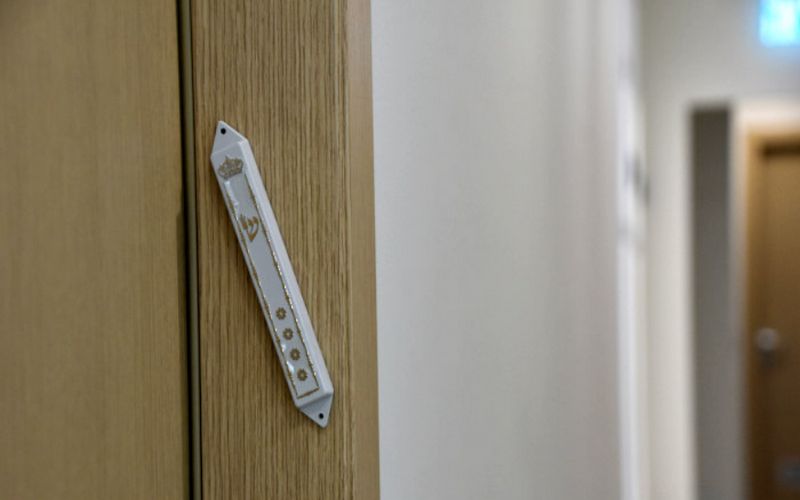
Touching or kissing the mezuzah when entering or leaving a home is a common practice, reinforcing mindfulness, gratitude, and spiritual awareness in everyday life. The mezuzah symbolizes protection, faith, and the constant presence of Jewish values in daily life.
7. The Role of Yahrzeit Candles
Yahrzeit candles are lit on the anniversary of a loved one’s death, often accompanied by prayer. This practice may surprise those unfamiliar with Jewish mourning traditions, as it provides a structured way to remember and honor ancestors.
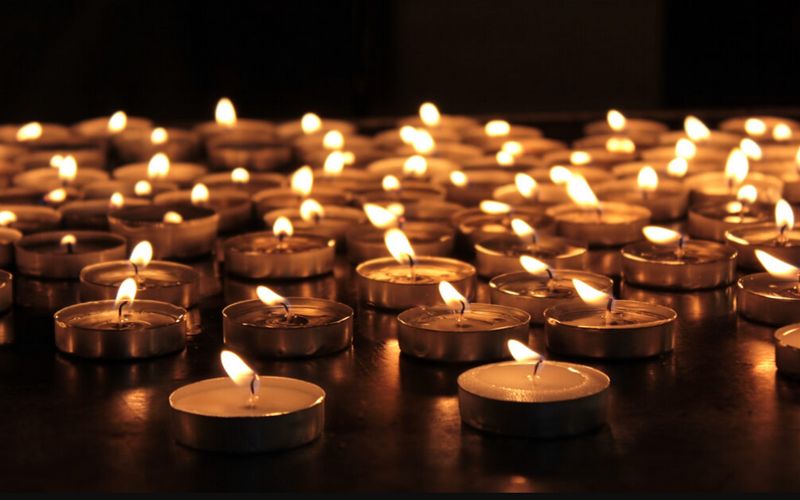
Lighting a candle represents the soul’s enduring presence and is a form of spiritual connection across generations. It also emphasizes the Jewish cultural focus on memory, continuity, and family legacy.
8. The Shofar – Spiritual Awakening
Blowing the shofar, a ram’s horn, is a central element of Rosh Hashanah and Yom Kippur services. While it is a well-known practice, the depth and meaning behind it are less commonly understood.
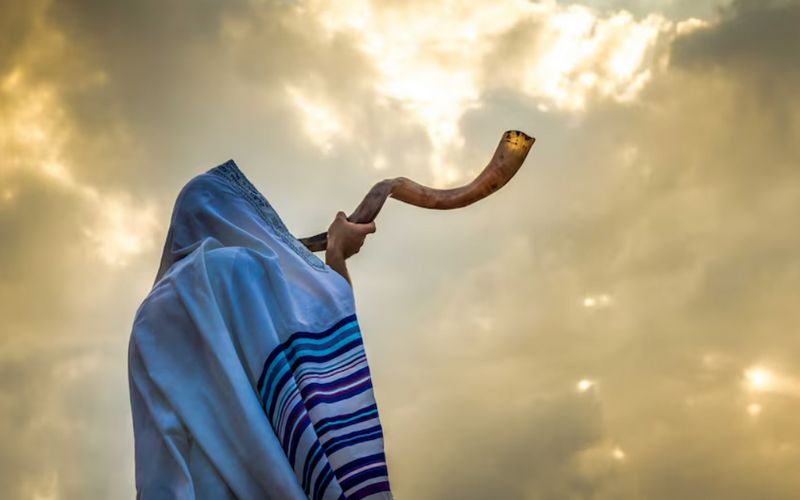
The shofar serves as a spiritual wake-up call, urging listeners to reflect on their actions, repent, and renew their commitment to ethical living. Each sound—the tekiah, shevarim, and teruah—carries a specific spiritual message. The practice blends ritual, sound, and spiritual introspection in a way that is uniquely impactful.
9. Hachnasat Orchim – Welcoming Guests
Hospitality, or Hachnasat Orchim, is a deeply rooted Jewish practice that might surprise many due to its spiritual and ethical dimensions. Hosting guests, especially strangers, is considered a mitzvah (commandment) that reflects generosity, kindness, and community cohesion.
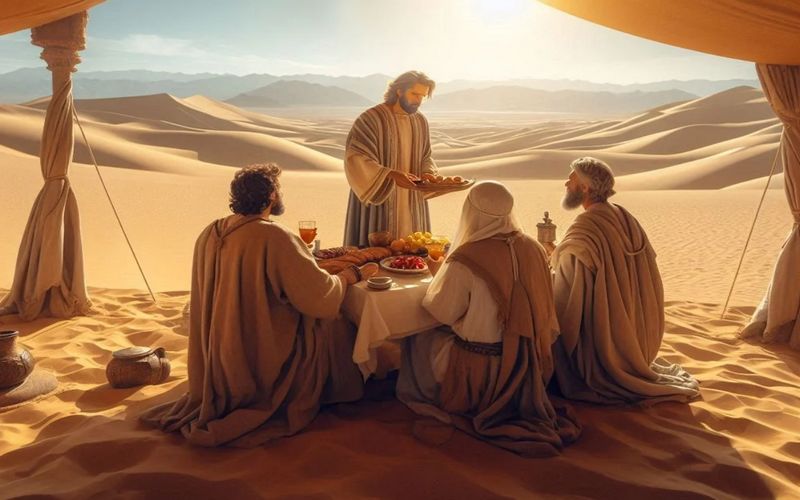
In Jewish culture, the act of welcoming guests is not merely social; it is a moral and spiritual responsibility. It strengthens bonds within the community, encourages empathy, and embodies the principle of treating others with dignity and respect.
10. Lag BaOmer Bonfires
Lag BaOmer, the 33rd day of the Omer counting period between Passover and Shavuot, is celebrated with bonfires in many Jewish communities, particularly in Israel. While it may seem like a festival of fire and fun, it carries historical and spiritual significance.
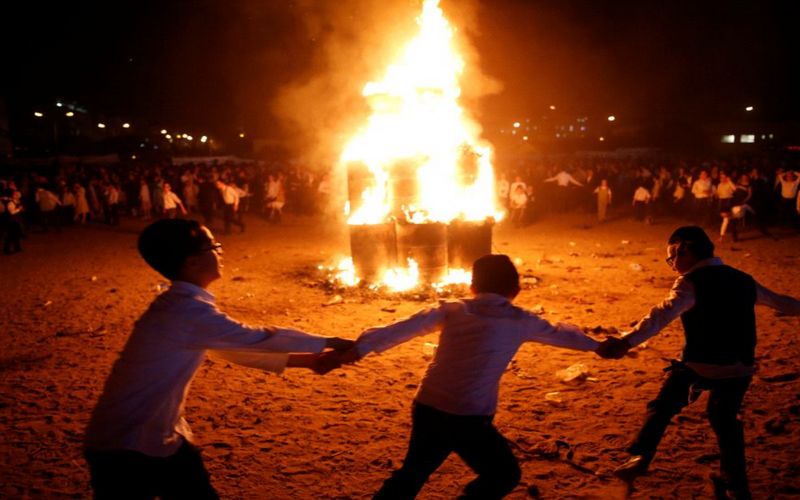
The bonfires commemorate Rabbi Shimon bar Yochai, a revered sage, and symbolize the triumph of light over darkness, knowledge over ignorance. Families and communities gather to celebrate with music, food, and storytelling, blending history, spirituality, and social connection in a way that continues to surprise many outsiders.
Final Thoughts
Jewish cultural heritage is far richer and more nuanced than what meets the eye. From daily practices like touching the mezuzah to rare rituals like Pidyon Haben, each tradition carries centuries of meaning, history, and spiritual depth. These top 10 practices may surprise outsiders, but they reveal the ethical, communal, and reflective foundations of Jewish life.
By understanding and appreciating these customs, one gains insight into how Jewish communities maintain continuity, celebrate life, and cultivate a sense of purpose and identity. Whether it’s through music, ritual, hospitality, or remembrance, Jewish cultural heritage offers timeless lessons in mindfulness, respect, and human connection.