The Western Wall, also known as the Kotel, is one of the most sacred places in Judaism and a powerful spiritual site for millions of people worldwide. Located in Jerusalem’s Old City, it is the last remaining wall of the Second Temple complex and a living place of prayer, reflection, and deep emotion.
Whether you are visiting for religious reasons, cultural interest, or historical curiosity, approaching the Western Wall with respect is essential. The site welcomes visitors of all backgrounds, but it also follows customs that may be unfamiliar to first-time visitors. Understanding these traditions will help you feel more comfortable while honoring the significance of the place.
Here are ten essential tips to ensure a respectful and meaningful visit to the Western Wall.
1. Dress Modestly and Appropriately
Modest dress is required at the Western Wall out of respect for its religious importance. Both men and women should ensure their clothing covers shoulders and knees. Avoid sleeveless tops, short skirts, or shorts.
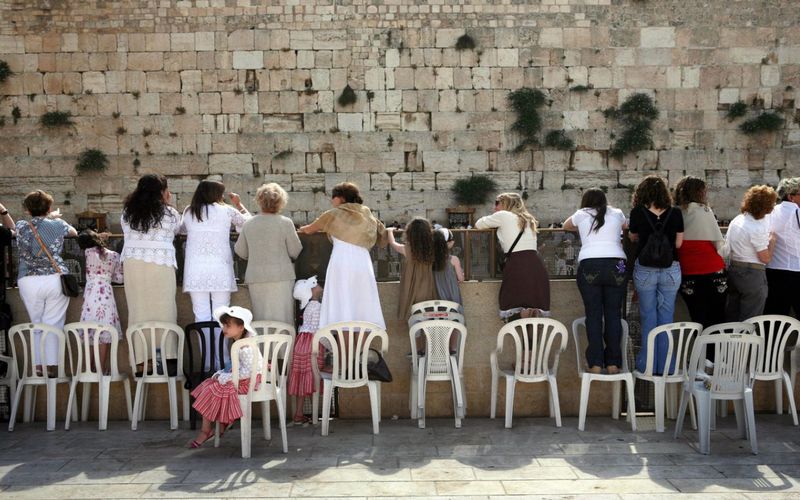
If you arrive unprepared, don’t worry — modesty wraps and coverings are available near the entrance. Dressing respectfully is not about restriction, but about honoring a sacred space that holds deep meaning for others.
2. Understand the Separate Prayer Areas
The Western Wall plaza is divided into separate sections for men and women, in accordance with traditional Jewish prayer customs. The men’s section is larger, while the women’s section is slightly smaller but equally significant.
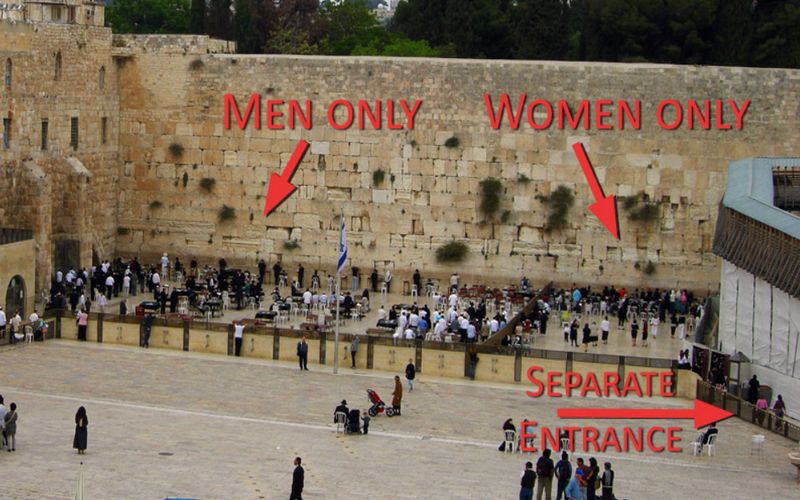
Visitors should enter the appropriate side and respect the division, even if they are not personally accustomed to gender-separated prayer spaces. Observing quietly is perfectly acceptable if you are unsure of the customs.
3. Maintain a Quiet and Respectful Atmosphere
Although the plaza is open and often busy, it is still a place of prayer. Keep your voice low, avoid running, and silence your phone before approaching the Wall.

Laughter, loud conversations, or casual behavior can feel disruptive to those praying. A calm, mindful presence helps preserve the spiritual atmosphere of the site.
4. Be Mindful with Photography
Photography is generally allowed in the Western Wall plaza on non-Shabbat days, but discretion is essential. Avoid photographing people who are praying, especially at close range, unless you have clear permission.
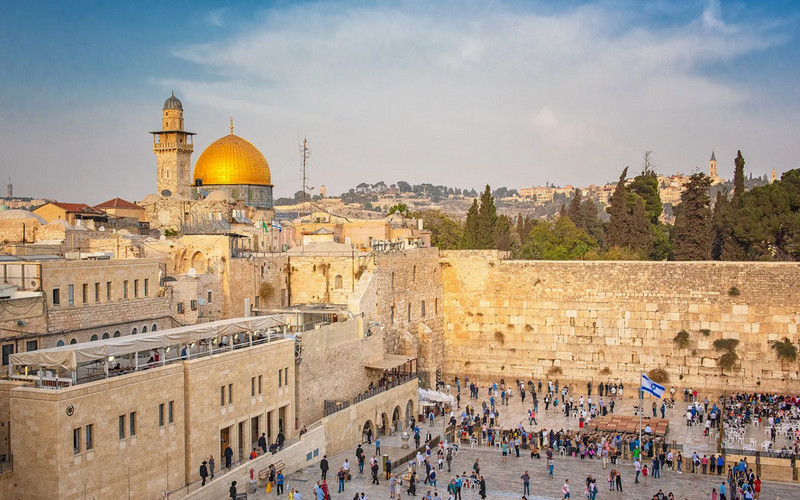
On Shabbat (from Friday sunset to Saturday night) and Jewish holidays, photography and phone use are not permitted for religious reasons. Respecting this rule is crucial, even if you are not observing the day yourself.
5. Follow Shabbat and Holiday Observance Rules
Shabbat is a sacred day of rest in Judaism, and the Western Wall becomes especially spiritual during this time. Visitors are welcome, but certain behaviors are restricted.
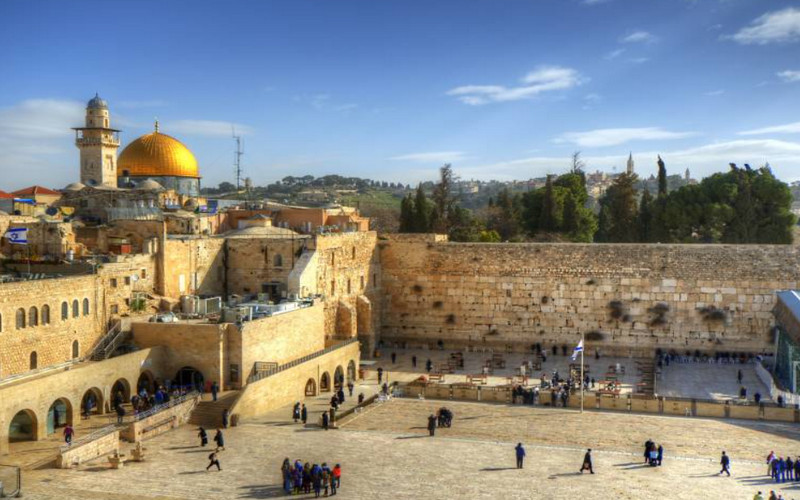
Do not use electronic devices, smoke, write, or conduct business near the Wall during Shabbat. Dressing modestly and observing quietly allows you to witness a deeply meaningful moment without unintentionally causing offense.
6. Approach the Wall with Intention
When approaching the stones of the Western Wall, many people choose to pause, reflect, or pray. You are not required to recite specific prayers, but approaching with intention and mindfulness is encouraged.
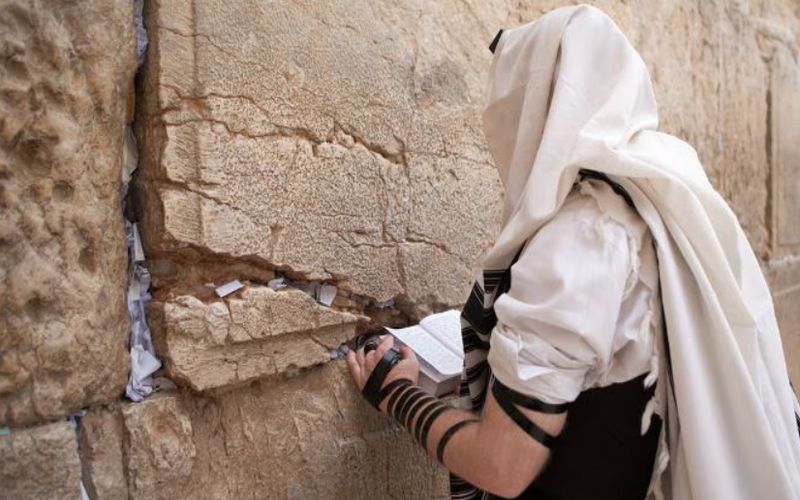
If you choose to place a note between the stones — a long-standing tradition — keep it respectful and personal. Notes should not be removed or touched if they belong to others.
7. Avoid Physical Contact or Disruption
Do not lean on people praying, step in front of them, or interrupt their space. Some visitors rock gently while praying, which is a traditional practice. Give them room and avoid standing directly in their line of sight.
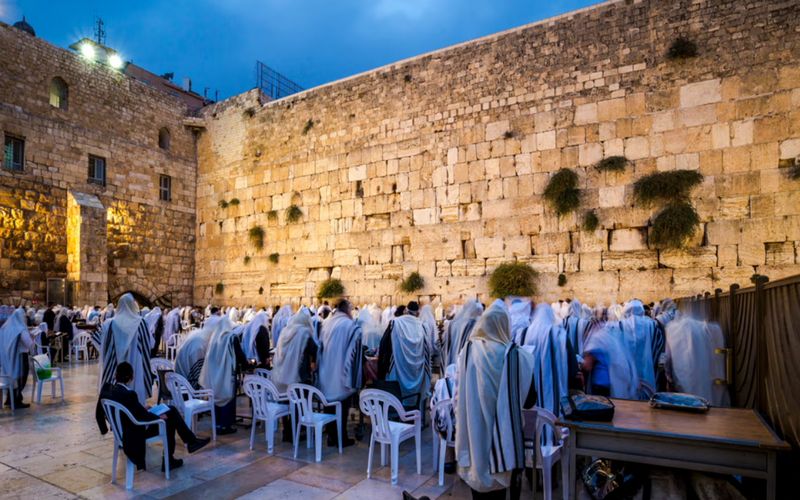
Respecting physical boundaries is one of the simplest yet most meaningful ways to show consideration at the Western Wall.
8. Learn Before You Visit
Taking time to understand the history and religious significance of the Western Wall enhances your experience. Knowing why the site matters helps visitors approach it with greater sensitivity and appreciation.
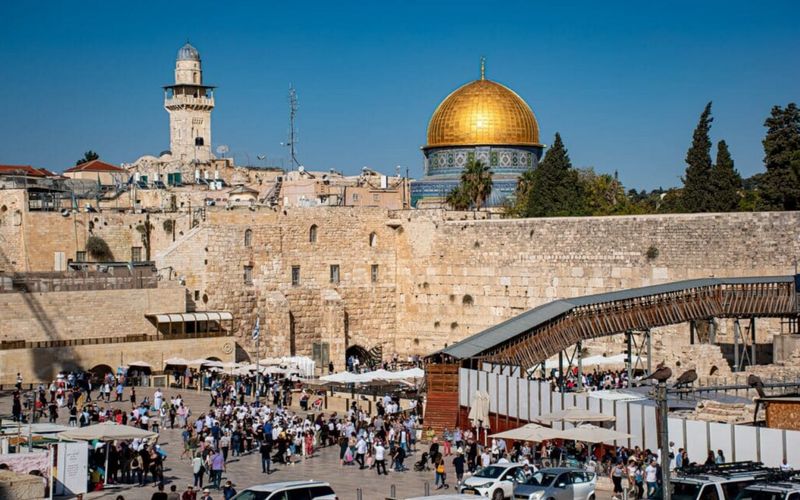
Guided tours, signage, or brief research beforehand can offer valuable context without overwhelming you with details.
9. Exit Respectfully
When leaving the Wall, many observant visitors choose not to turn their back directly to it, stepping away slowly instead. While this is not required for all visitors, being aware of the custom allows you to decide how closely you wish to follow local tradition.
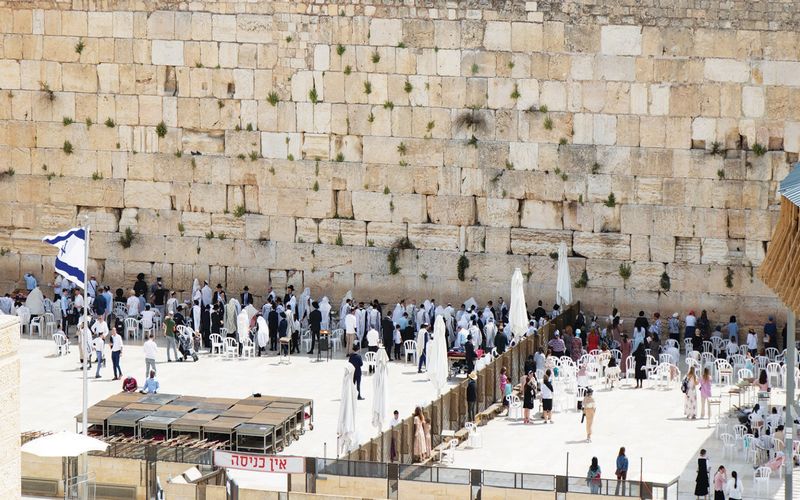
At minimum, avoid rushing away or behaving casually immediately after leaving the prayer area.
10. Remember That This Is a Living Sacred Space
The Western Wall is not a museum or a monument frozen in time. It is a living place of worship where people come to celebrate, mourn, pray, and mark important life moments.
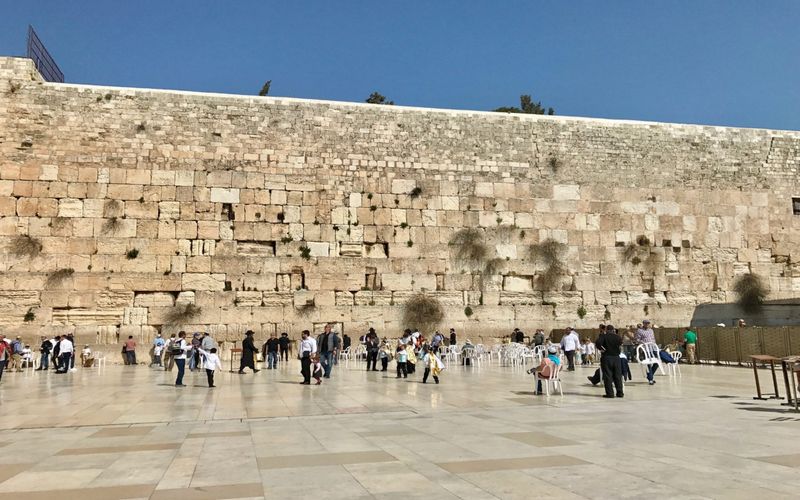
Approaching the site with empathy — recognizing that you are sharing space with deeply personal emotions — is the most important form of respect you can offer.
A Meaningful Visit Beyond Etiquette
Visiting the Western Wall can be a powerful experience regardless of your background. Respect is not about knowing every rule perfectly, but about approaching the space with humility, openness, and care.
By dressing modestly, observing local customs, and remaining mindful of others, you allow the site to speak for itself — through its ancient stones, whispered prayers, and enduring spiritual presence.
A respectful visit not only honors tradition, but also deepens your own connection to one of the most meaningful places in the world.