A Bar Mitzvah is one of the most meaningful milestones in Jewish life. Marking the moment a Jewish boy turns 13, it signifies the transition from childhood to religious responsibility. From this point forward, he is considered accountable for observing Jewish commandments and participating fully in communal religious life.
While celebrations vary widely across families and cultures, the traditions surrounding a Bar Mitzvah share deep historical and spiritual roots. Below are ten essential Bar Mitzvah traditions, clearly explained to help readers understand their meaning and significance.
1. Turning Thirteen: The Age of Responsibility
The most fundamental aspect of a Bar Mitzvah is age. At 13 years old, a Jewish boy becomes “Bar Mitzvah,” meaning son of the commandment. This status change happens automatically on his Hebrew birthday.
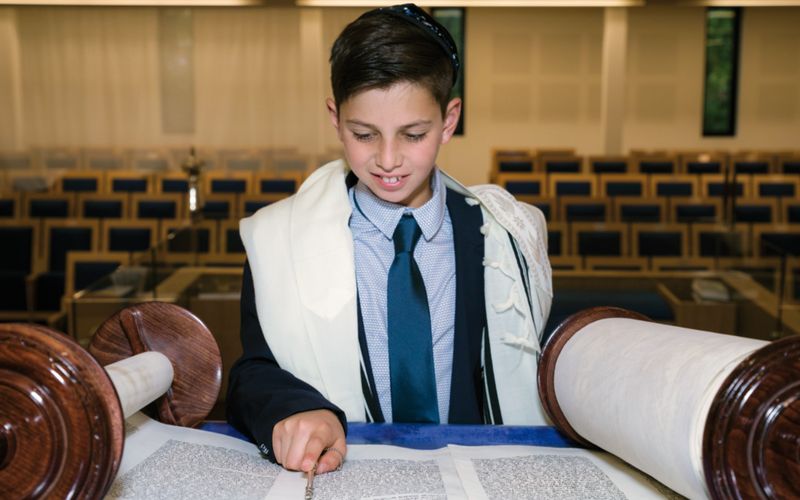
From this moment, he is religiously responsible for his actions, prayers, and moral choices. The ceremony does not create the status — it publicly acknowledges it within the community.
2. Being Called to the Torah (Aliyah)
One of the central traditions of a Bar Mitzvah is receiving an aliyah, or being called up to the Torah during a synagogue service. This honor allows the Bar Mitzvah boy to recite blessings before and after the Torah reading.
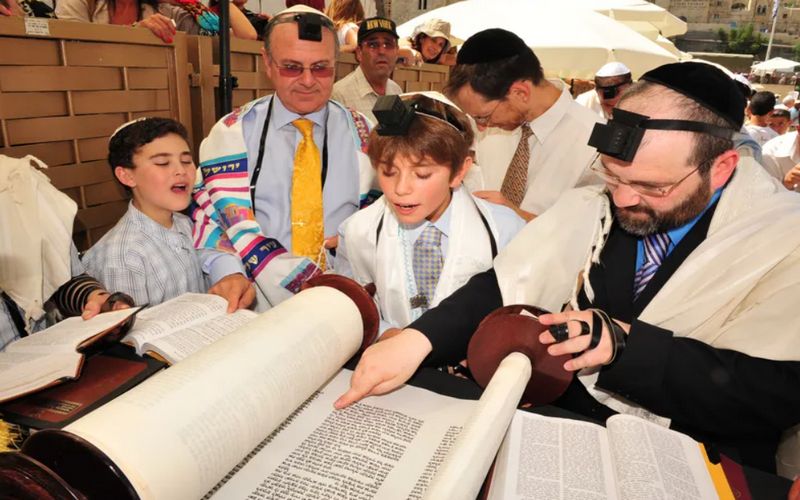
The aliyah symbolizes his full inclusion in Jewish communal worship. For many families, this moment represents pride, continuity, and connection across generations.
3. Reading from the Torah
In many communities, the Bar Mitzvah boy reads a portion of the weekly Torah reading aloud in Hebrew. This requires months of preparation, as the Torah is handwritten and read using traditional chanting melodies.
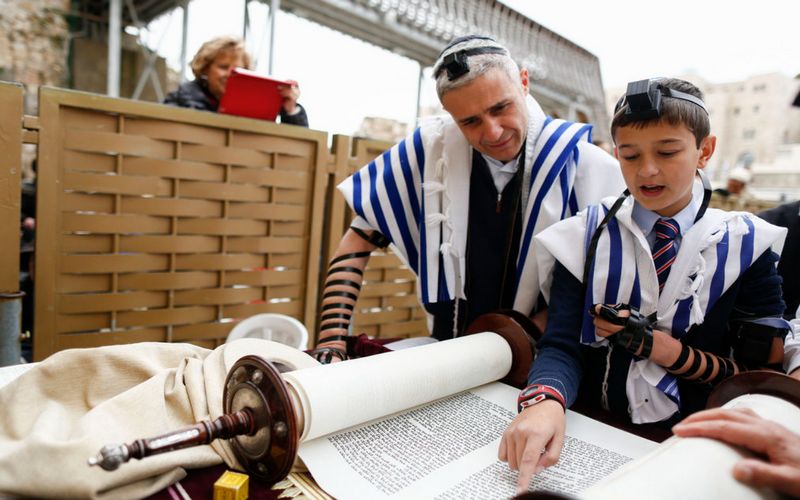
Learning to read directly from the scroll reflects dedication, discipline, and respect for Jewish tradition. It is often the most anticipated and emotionally powerful moment of the ceremony.
4. Chanting the Haftarah
Alongside the Torah reading, many Bar Mitzvah boys chant a Haftarah, a selected passage from the Prophets. Like the Torah, it is sung using specific melodies that vary by tradition.
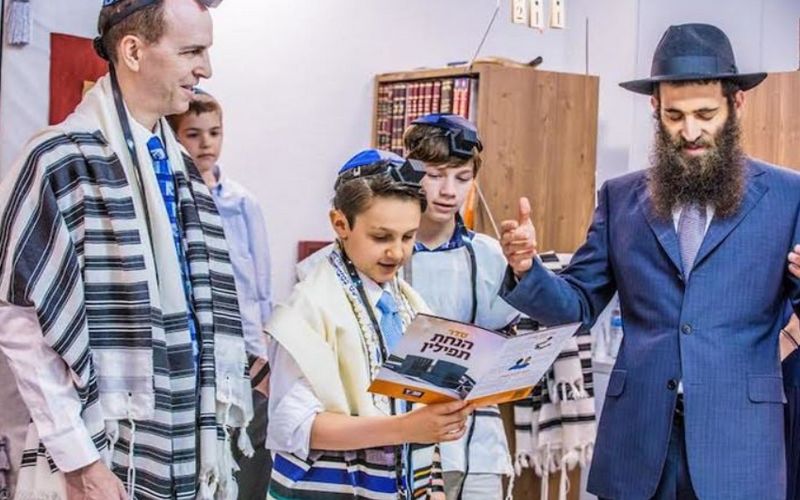
The Haftarah adds depth to the service and demonstrates the young person’s growing mastery of Hebrew prayer and ritual participation.
5. Wearing Tefillin
In traditional Jewish practice, a Bar Mitzvah boy begins laying tefillin — leather boxes containing biblical verses — during weekday morning prayers.

Tefillin symbolize binding the mind and heart to faith and values. Learning how to wear them correctly is often part of Bar Mitzvah preparation and represents a new level of spiritual commitment.
6. Delivering a D’var Torah
A D’var Torah is a short speech or interpretation of the Torah portion. Many Bar Mitzvah boys prepare a personal reflection that connects the ancient text to modern life, values, or personal growth.

This tradition encourages critical thinking, moral reflection, and personal engagement with Jewish learning. It is often a proud moment for families to hear the young person’s voice and insight.
7. Wearing a Tallit
In some communities, the Bar Mitzvah boy begins wearing a tallit, the Jewish prayer shawl, during synagogue services. The fringes, called tzitzit, serve as a reminder of the commandments.
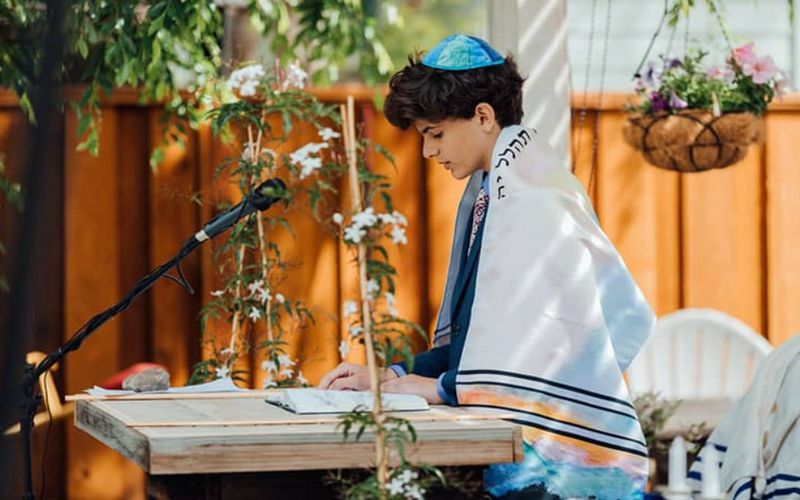
Whether introduced at the Bar Mitzvah or later, the tallit represents spiritual awareness and belonging within Jewish ritual life.
8. Celebrating with Family and Community
After the religious ceremony, many families host a Bar Mitzvah celebration, ranging from intimate meals to larger gatherings. While styles vary widely, the purpose remains the same: to mark a significant life transition surrounded by loved ones.
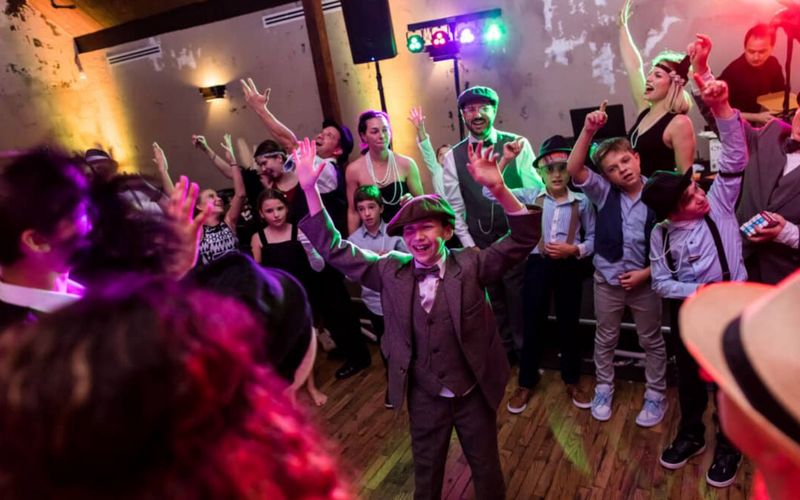
Music, speeches, and blessings often accompany the celebration, reinforcing the importance of joy, gratitude, and shared tradition.
9. Giving to Charity (Tzedakah)
A meaningful tradition associated with Bar Mitzvahs is tzedakah, or charitable giving. Many families encourage the Bar Mitzvah boy to donate a portion of gifts or choose a cause to support.
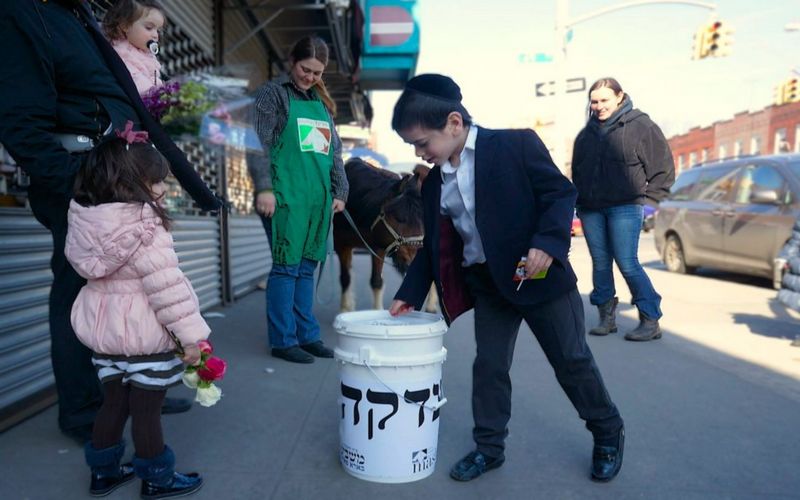
This practice reinforces the idea that adulthood in Jewish life includes responsibility toward others, not just personal achievement.
10. Becoming a Full Member of the Jewish Community
Perhaps the most important tradition is symbolic rather than ceremonial. After his Bar Mitzvah, a young man is counted in a minyan (prayer quorum), can lead parts of services, and participates fully in religious obligations.
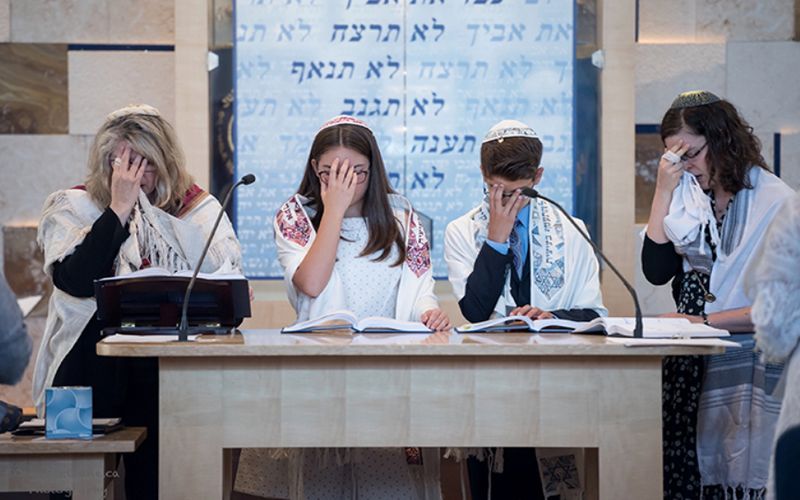
This transition emphasizes belonging, accountability, and continuity — core values at the heart of Jewish tradition.
More Than a Ceremony
While the public celebration is memorable, the essence of a Bar Mitzvah lies in education, responsibility, and identity. It marks the beginning of a lifelong relationship with Jewish learning, ethics, and community.
Across cultures and denominations, Bar Mitzvah traditions continue to evolve while maintaining their core meaning. They serve as a bridge between generations, connecting ancient rituals with modern life.
Understanding these traditions allows visitors, families, and observers alike to appreciate the depth and beauty behind one of Judaism’s most significant milestones.