Sukkot, often called the Festival of Booths or the Feast of Tabernacles, is one of the most joy-filled holidays in the Jewish calendar. Celebrated five days after Yom Kippur, it marks a transition from introspection to gratitude, community, and celebration. At its heart, Sukkot commemorates the Israelites’ journey through the wilderness after the Exodus from Egypt, while also reflecting agricultural rhythms and spiritual values that remain deeply relevant today.
The customs of Sukkot are rich in symbolism, blending history, faith, and everyday action. Here are ten meaningful Sukkot customs and the origins behind them.
1. Dwelling in the Sukkah
The central custom of Sukkot is building and dwelling in a sukkah—a temporary, open-roofed structure. This practice originates in the biblical commandment to remember how the Israelites lived in fragile shelters during their forty years in the desert.
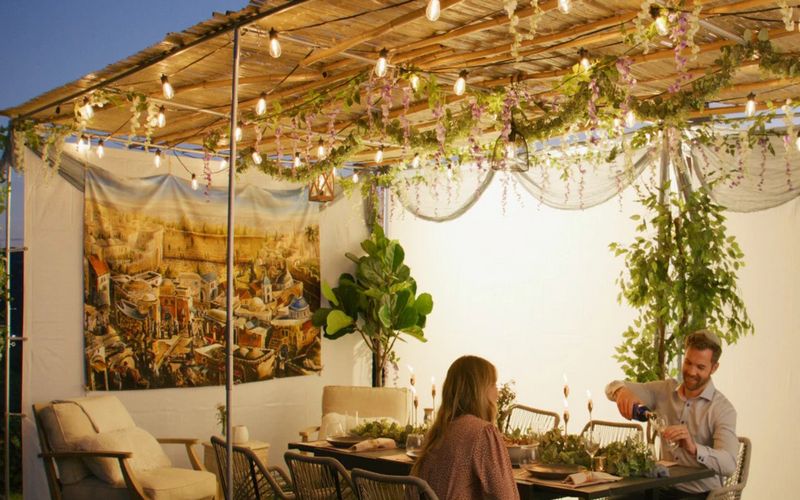
The sukkah symbolizes impermanence and humility, reminding people that material security is never guaranteed. At the same time, it represents trust and gratitude, encouraging participants to appreciate what they have while embracing life’s uncertainty.
2. Eating Meals in the Sukkah
Eating in the sukkah transforms an ordinary act into a spiritual experience. Traditionally, meals—especially bread-based ones—are eaten inside the sukkah throughout the holiday.
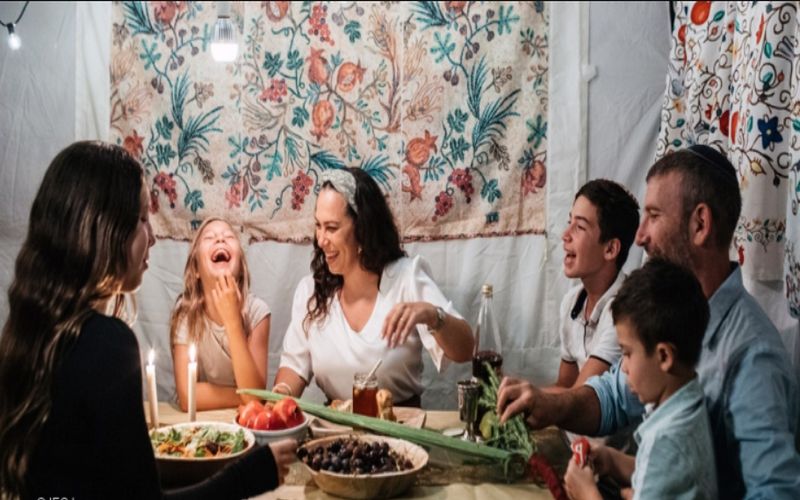
This custom emphasizes the idea that everyday activities can carry meaning when performed with awareness. Sharing meals in the sukkah also strengthens family and community bonds, reinforcing Sukkot’s emphasis on joy, hospitality, and togetherness.
3. The Four Species (Arba Minim)
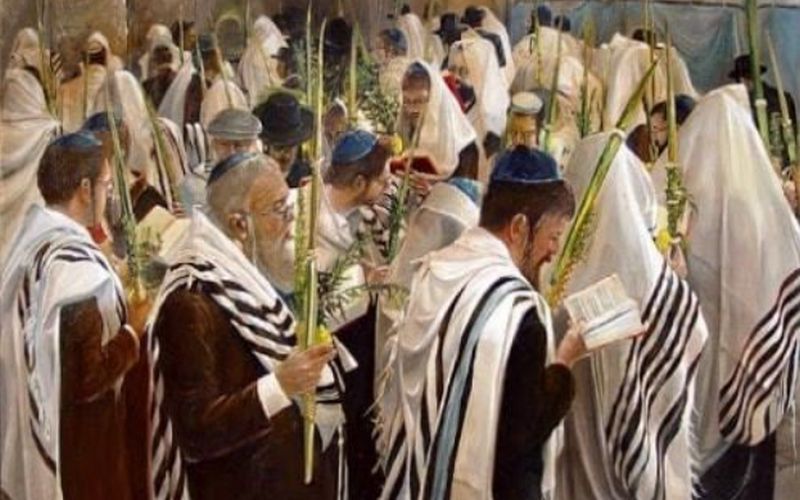
One of the most distinctive Sukkot customs is the use of the Four Species: the lulav (palm branch), etrog (citron), hadas (myrtle), and arava (willow). These plants are held together and waved during prayers.
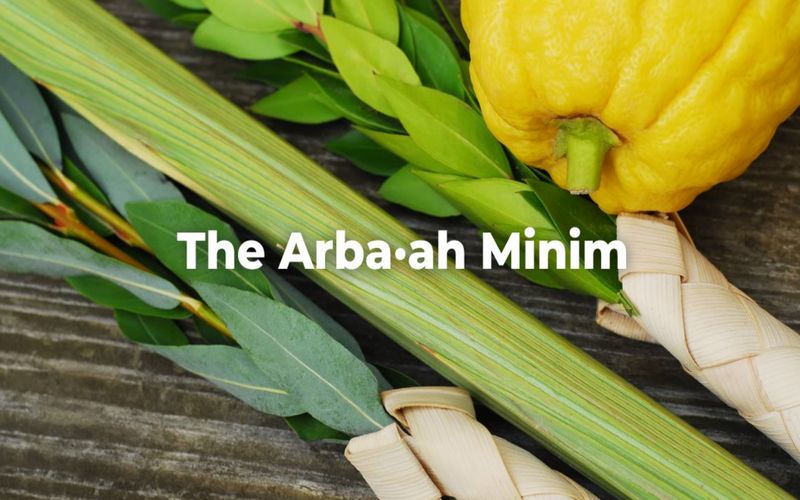
Their origin lies in ancient agricultural celebrations and biblical commandments. Symbolically, they represent different types of people within the community—each valuable, regardless of knowledge or background—highlighting unity and inclusivity.
4. Waving the Lulav in All Directions
The custom of waving the Four Species in six directions—north, south, east, west, up, and down—symbolizes the belief that divine presence fills the entire world.
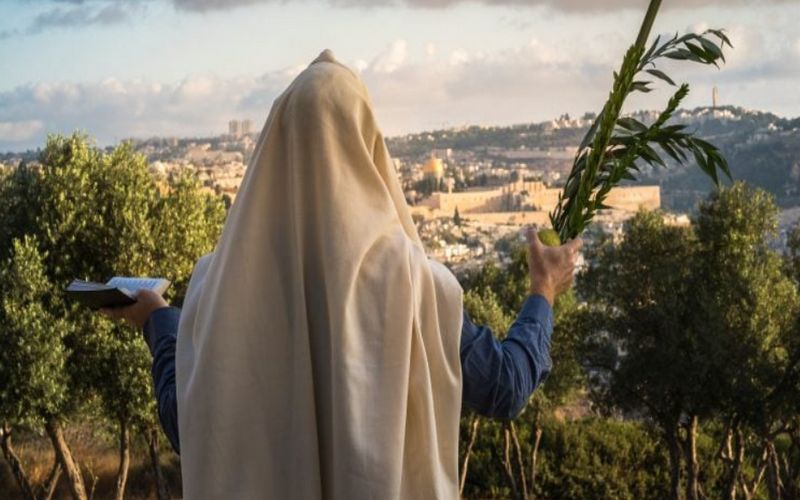
This practice dates back to Temple times and reflects a worldview in which gratitude and awareness extend beyond personal space, embracing nature, time, and the broader universe.
5. Hospitality (Ushpizin)
Inviting guests into the sukkah is a cherished Sukkot tradition. In mystical tradition, symbolic guests known as ushpizin—representing biblical figures—are welcomed each night.
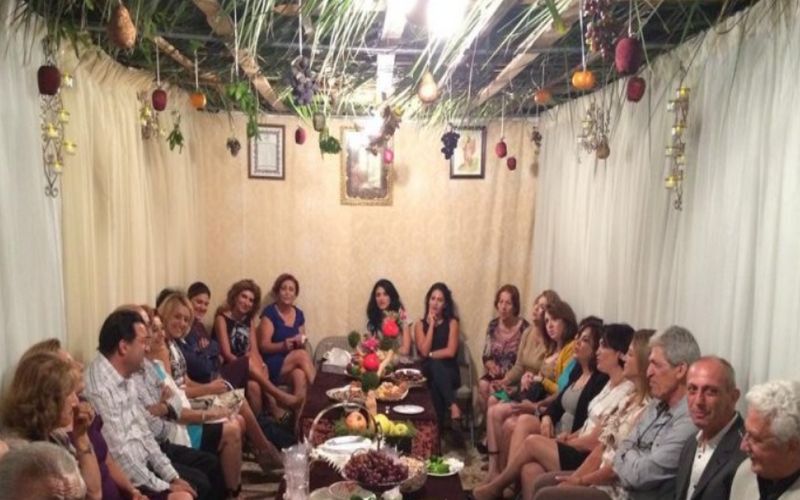
The origin of this custom lies in the belief that true joy comes from generosity. By opening the sukkah to others, especially those in need, participants transform the holiday into a celebration of kindness, empathy, and shared humanity.
6. Decorating the Sukkah
Decorating the sukkah with fruits, artwork, lights, and crafts adds beauty and joy to the structure. While not a biblical requirement, this custom developed over time as a way to honor the holiday.
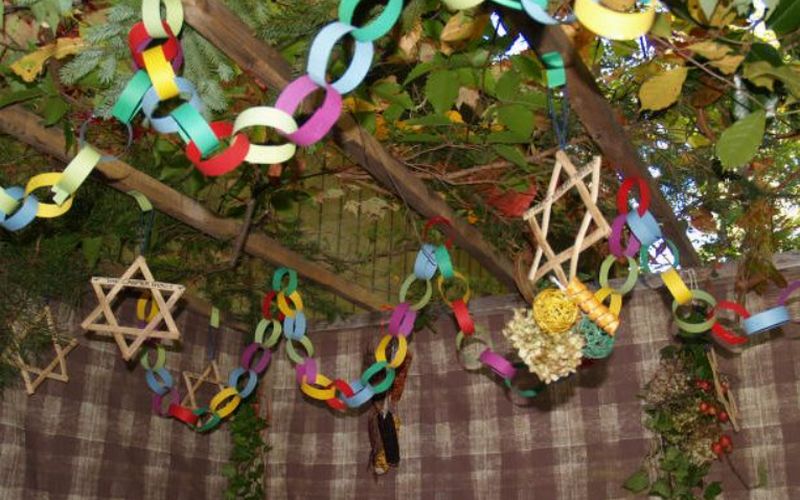
Its origin reflects a broader Jewish value: beautifying commandments to deepen emotional and spiritual connection. Decorations also make the sukkah inviting, especially for children, reinforcing the holiday’s joyful atmosphere.
7. Celebrating the Harvest
Sukkot is deeply connected to agriculture and marks the end of the harvest season in ancient Israel. Historically, it was a time to give thanks for crops and rainfall before the coming winter.
This origin ties Sukkot to the land and to cycles of nature. Even today, the holiday encourages mindfulness of food sources, environmental responsibility, and gratitude for natural abundance.
8. Rejoicing and Celebrating (Zman Simchateinu)
Sukkot is traditionally known as Zman Simchateinu, “the Season of Our Joy.” Unlike more solemn holidays, joy is not just encouraged—it is commanded.
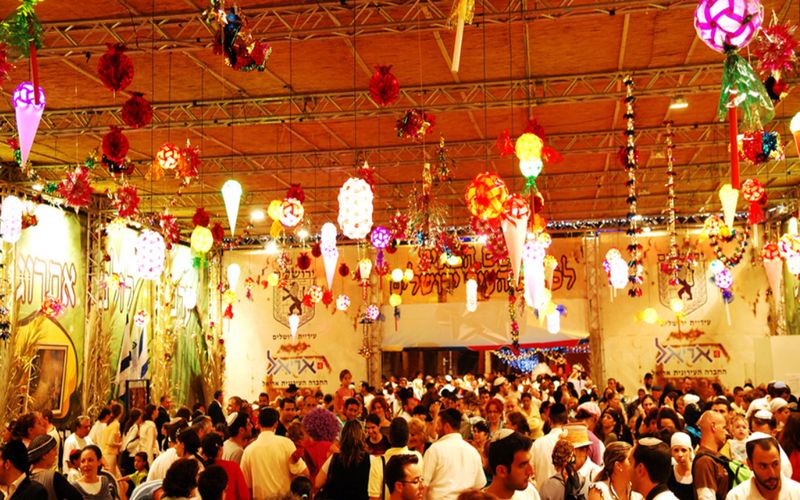
This emphasis originates from biblical passages describing Sukkot as a time of communal celebration. Music, singing, and festive meals reflect the belief that joy itself can be a form of spiritual expression.
9. Sleeping in the Sukkah
In some communities, sleeping in the sukkah is practiced to fully experience its symbolism. This custom deepens the sense of immersion in the holiday.

Its origin lies in the idea of making the sukkah one’s primary dwelling during Sukkot. While not universally observed, it highlights commitment, mindfulness, and a willingness to step outside comfort zones.
10. Simchat Torah Connection
Although technically a separate holiday, Simchat Torah is closely linked to Sukkot. It marks the completion and restarting of the annual Torah reading cycle.
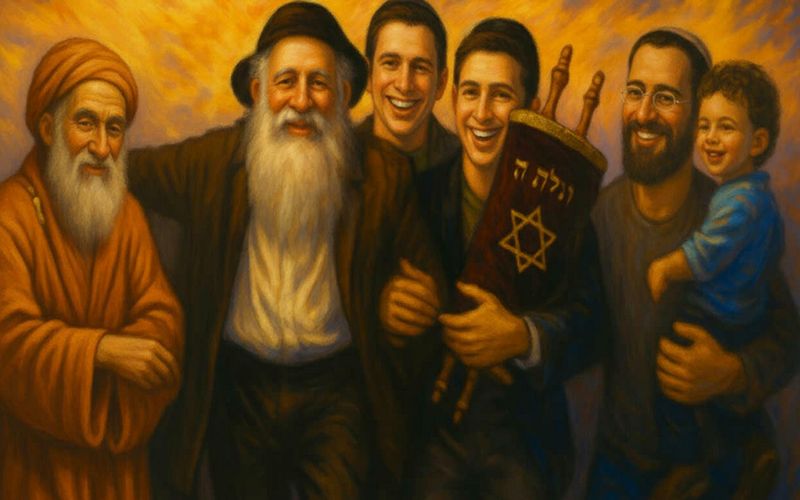
The origin of this celebration emphasizes continuity and renewal. Dancing with the Torah reflects joy in learning, tradition, and the passing of values from one generation to the next—perfectly echoing Sukkot’s themes of gratitude and continuity.
Why Sukkot Customs Still Matter Today
Sukkot’s customs are not merely historical rituals—they are living practices that speak to modern concerns. In a fast-paced, comfort-driven world, the sukkah invites reflection on simplicity. The Four Species remind us of unity in diversity, while hospitality underscores the importance of connection and compassion.
By engaging the senses—sight, taste, touch, and sound—Sukkot transforms abstract ideas into lived experiences. Its customs encourage presence, gratitude, and joy, offering a powerful reminder that meaning is often found not in permanence, but in shared moments under an open sky.